Chiaroscuri: Ghost Works was born from the desire to capture sonic snapshots, like photographs that freeze a unique moment in time. These collections will feature pieces mostly written in one or at most two voices, to highlight the instrument in its purest essence. Each track is improvised to preserve the raw purity of instinct, with all its imperfections.
Chiaroscuri: Ghost Works nasce dal desiderio di registrare istantanee sonore, come fotografie che catturano un momento unico. Queste raccolte conterranno brani prevalentemente a una, o al massimo due voci, per valorizzare lo strumento nella sua essenza. Ogni pezzo è improvvisato, per mantenere intatta la purezza dell’istinto, con tutte le sue imperfezioni.
Lately, I often find myself wondering what the future of music might look like, and especially what space my own musical niche could find in this world that feels so different from me. Since I first wrote about the impact that AI can have on the music scene, I’ve had the chance to listen to several productions, and I must say the bar has been raised quite a bit. I believe that, in the mainstream field, before long even a trained ear will struggle to tell an AI-produced track from a human one. What, after all, could the difference really be, considering that so many commercial productions are already soulless? What worries me, instead, is that soon even on Bandcamp, SoundCloud, and so on, AI-generated ambient and experimental music will start to take root. So I ask myself: do I want to share my space with something artificial? AI productions will soon become increasingly sophisticated and, as a friend of mine—a heavy Suno user—says: “When I use this program, I feel like a superhero because I can do things I wouldn’t be able to do otherwise.” And here lies the heart of the matter: where will all of this lead? If ambient music is already full of non-musicians, where are we headed now? Will our ears still be able to sense where the soul is enclosed within a work of art, or is that just another human presumption? For now, I take it one day at a time, swayed by my sinusoidal emotions—some days wanting to step away from all this pretense and sell only physical CDs, and other days thinking about those who, for various reasons, prefer digital formats.
Come spesso mi accade ultimamente mi trovo a pensare quale possa essere il futuro della musica e soprattutto che spazio possa trovare il mio angolo musicale in questo mondo così diverso da me. Da quando ho scritto a riguardo dell’impatto che può generare AI nel panorama musicale ad oggi ho avuto modo di ascoltare diverse produzioni e devo dire che il livello dell’asticella si è parecchio alzata. Credo che nel ramo mainstream tra non molto anche un’orecchio esperto farà fatica a riconoscere una produzione AI da una umana. Quale potrebbe essere infatti la differenza considerato il fatto che già moltissime produzoni commerciali sono prive di anima? Quello che mi preoccupa invece è che a breve anche in Bandcamp, Soundcloud e via dicendo si insidieranno le produzioni AI di musica ambient e sperimentale. Allora mi domando: voglio condividere il mio spazio con qualcosa di finto? A breve le produzioni AI diventeranno sempre più raffinate e, come dice un mio amico grande utilizzatore di Suno: quando uso questo programma mi sento come un super eroe perchè riesco a fare cose che non sarei in grado di fare senza. Ed è qui il nocciolo della questione, dove porterà tutto questo? Se già la musica ambient è già piena di non musicisti, dove andremo a finire adesso? Riuscirà il nostro orecchio a percepire dove l’anima è racchiusa dentro un’opera d’arte oppure è solo l’ennesima presunzione dell’essere umano? Per il momento vivo alla giornata e subisco le mie sinusoidali sensazioni che mi portano un giorno a voler togliermi da tutta questa finzione e vendere solamente il cd fisico e altri giorni dove penso a chi invece predilige per motivi di diverso tipo il formato digitale.
Always fascinated by the “shortform editions,” I’m happy to present, after Lull, a new miniature album: Sasayaka. Seven small musical seeds gathered in sixteen minutes. It might sound paradoxical, I know, but those who, like me, are used to few words might understand this pursuit of essence, of the bare minimum. What surprises me every time I listen back to works like this is how time seems to expand: a few minutes that stretch out, reaffirming the idea that time, after all, is a relative concept.
Sasayaka is a sonic journey made of imperceptible details that dance in the air like light leaves. Ethereal sounds, delicate as the first light of dawn, tiny fragments of emotion suspended in time. Each track is a caress, a breath, a distant echo that brushes against the soul. Sasayaka is a celebration of the hidden joy found in small things, a whisper capable of containing infinity.
Recorded during the nights between February and March 2025, on a 4-track cassette recorder.
Sempre affascinato dal formato delle “shortform editions”, sono felice di presentare, dopo Lull, un nuovo album in miniatura: Sasayaka. Sette piccoli semi musicali raccolti in sedici minuti. Può sembrare paradossale, lo so, ma chi, come me, è abituato a poche parole forse comprenderà questa ricerca dell’essenza, del minimo indispensabile. Ciò che mi sorprende ogni volta, riascoltando lavori come questo, è come il tempo sembri dilatarsi: pochi minuti che si espandono, confermando l’idea che il tempo sia, in fondo, un concetto relativo.
Sasayaka è un viaggio sonoro fatto di dettagli impercettibili, che danzano nell’aria come foglie leggere. Suoni eterei, delicati come la prima luce dell’alba, minuscoli frammenti di emozione sospesi nel tempo. Ogni traccia è una carezza, un soffio, un’eco lontana che sfiora l’anima. Sasayaka è la celebrazione della gioia nascosta nelle piccole cose, un sussurro capace di racchiudere l’infinito.
Registrato nelle notti tra febbraio e marzo 2025, su un registratore a cassette a 4 piste.
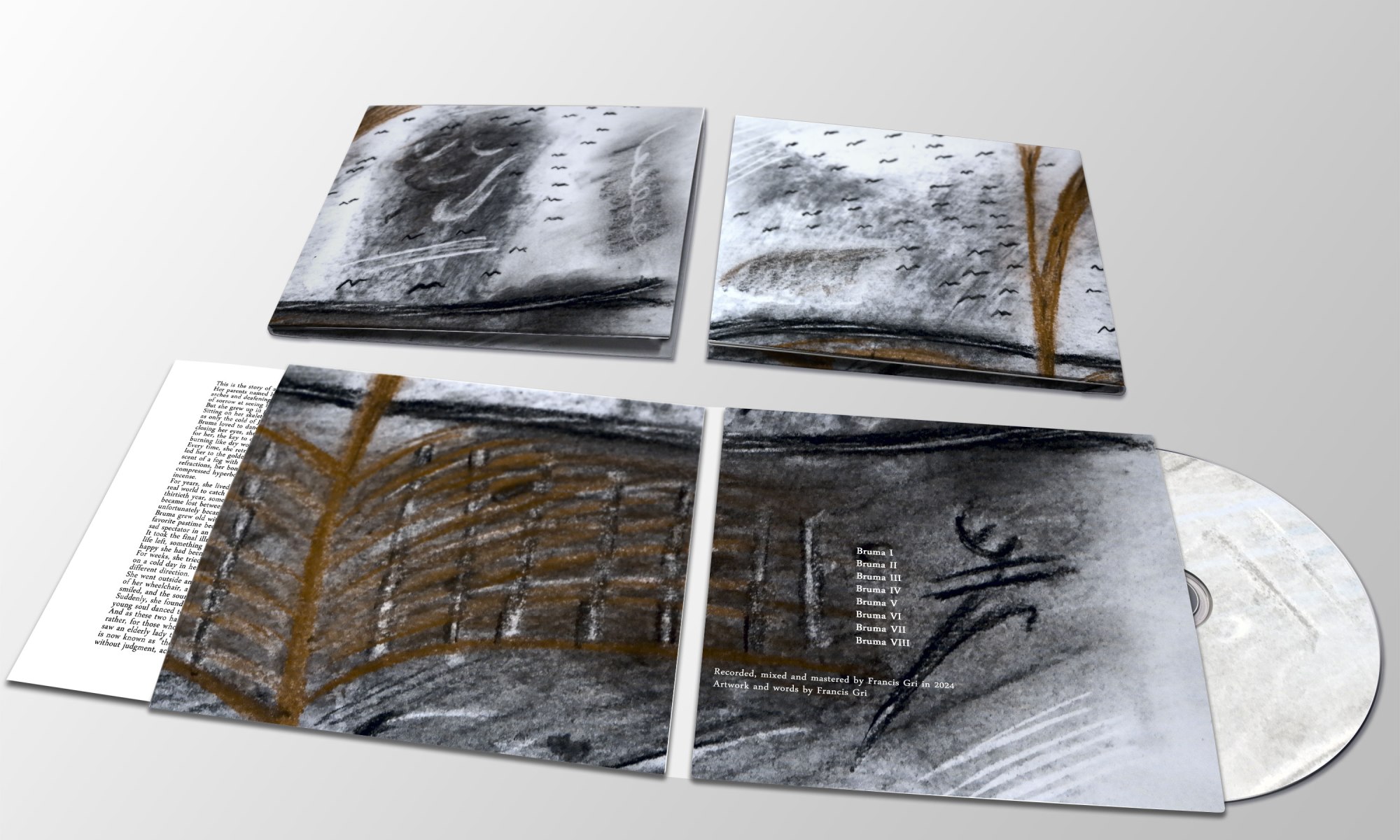
After the minimalist interlude of Svanire—a project that will certainly have a follow-up—I am continuing to explore the compositional path I embarked on with my recent works, Argine and While. In this journey, I seek to strike a delicate balance between intricate melodic textures and expansive, abstract soundscapes, allowing each element to breathe and evolve organically. The result is not just a collection of sounds but a true narrative experience: a soundtrack designed to accompany and enhance the atmosphere of a short story, which is included within the CD packaging. The music and the written word intertwine, creating an immersive dialogue between sonic and literary dimensions. For those who wish to read the story, I’m sharing the link below to access the digital version. I hope this project resonates with you and invites you into its world, where music and storytelling merge into a singular, evocative journey.
Thank you, as always, for the time you dedicate to what I create with passion and love.
“Since it is difficult to live in a world from which one cannot escape, one must try to make it more welcoming so that one can live in it better, even if only for the brief time granted to ephemeral human life. Here arises the vocation of the poet, here Heaven assigns the painter his mission. Artists are precious because they soothe this world and enrich the hearts of men.”
With these words, Natsume Soseki begins one of his most famous books. Wise words that I often have to turn into my mantra. It often happens, in fact, and increasingly frequently, that the desire to share my work is less and less pulsating and even a part of me wishes I had never embarked on this path using my real name, but under an anonymous project. I increasingly wonder what sense it makes to share art in this digital world where there is already everything and too much. And so I think that perhaps it is the case to do it only for myself, because music is oxygen for me and I will hardly stop composing it. And so I think of continuing to record, mastering my copy on CD and keeping it in a precious box inside my closet. But reading those words, I understand that perhaps it is not right. Perhaps someone in this world could benefit from listening to my music. And my memories take me back about twenty years, maybe a little more, when I bought the first and only album by Stay Frightened. “Still” was the title, released by the defunct Palace of Worms. Well, that album, which surely few know, was my soundtrack for years and for years every night it accompanied me before falling asleep. How I would like to contact Conrad L. Dickey to thank him for his music, but unfortunately, he has not been active for years. And so I do it this way, with a small post, and I thank him in the only way I can, hoping that someone in the world sooner or later can understand and appreciate my music as I did with his.
“Poichè è difficile vivere in un mondo da cui non si può evadere, si deve tentare di renderlo più accogliente così da poterci abitare meglio, sia pure per il breve tempo concesso all’effimera vita umana. Qui nasce la vocazione del poeta, qui il Cielo assegna al pittore la sua missione. Gli artisti sono prezioni, perchè rasserenano questo mondo e arricchiscono il cuore degli uomini.”
Con queste parole, Natsume Soseki inizia uno dei suoi libri più famosi. Parole sagge che molto spesso devo far diventare un mio mantra. Capita sovente, infatti, e sempre più frequentemente, che la voglia di condividere i miei lavori sia sempre meno pulsante e addirittura una parte di me vorrebbe non aver mai intrapreso questo percorso utilizzando il mio vero nome, ma sotto un progetto anonimo. Mi chiedo sempre più che senso abbia condividere ancora arte in questo mondo digitale dove ormai c’è tutto e c’è troppo. E allora penso che forse sia il caso di farlo solamente per me, perché la musica per me è ossigeno e difficilmente smetterò di comporla. E allora penso di continuare a registrare, masterizzare la mia copia su CD e custodirla in una preziosa scatola dentro il mio armadio. Ma leggendo quelle parole capisco che forse non è giusto. Forse a qualcuno in questo mondo può far bene ascoltare la mia musica. E i miei ricordi mi riportano indietro di una ventina di anni e forse qualcosa in più, quando acquistai il primo e unico album di Stay Frightened. “Still” era il titolo, uscito per la defunta Palace of Worms. Ebbene, quell’album, che sicuramente conoscono in pochi, mi ha fatto da colonna sonora per anni e per anni ogni notte mi ha accompagnato prima di addormentarmi. Come mi piacerebbe poter contattare Conrad L. Dickey per ringraziarlo della sua musica, ma sfortunatamente non è più attivo da anni. E allora lo faccio così, con un piccolo post, e lo ringrazio così nell’unico modo che posso fare, sperando che qualcuno nel mondo prima o poi possa capire e apprezzare la mia musica come io ho fatto con la sua.
Recently, I’ve been listening to some albums from the ’90s, and I realized how differently they sounded compared to the albums my ear has gotten used to listening to recently. In recent years, sound has made huge strides, and we’ve reached an impressive level of detail. But there’s something, perhaps, a bit too polished that makes everything too homogeneous, and it doesn’t hit me the way it used to decades ago. Obviously, this is just my personal opinion, but luckily I’m not the only one who thinks that most albums nowadays sound soulless. A mastering engineer I greatly respect explained why lo-fi music is still so popular. Back when CDs didn’t exist, the sound quality was really poor, but our ears weren’t interested in that—they were more focused on the soul of a work. I remember how, as a kid, I used to listen to albums on repeat from a worn-out cassette that had become so distorted from wear that it sounded out of tune, and that didn’t bother me at all. If the ’70s were years of breaking boundaries and experimentation, and the ’80s years of innovation, the ’90s were in a way the culmination of the previous two decades. The sound detail evolved with the advent of CDs, but there was still that need to hear the soul of a record, customizing it on every level. Many artists and bands from the ’80s pushed themselves into the ’90s with experimentation, creating subgenres and releasing albums that are now cornerstones of music history. Which albums, on the other hand, will remain in music history from the last 10 years? I’m afraid that most will be forgotten, tossed into the void of a dark decade where disposable culture ran rampant. However, this is a topic I’d like to explore further in the future… When it comes to sound, everything is highly subjective. A mastering version is like a piece of clothing—some people may like it, and others may not. I like imperfection, and I’m realizing more and more how much I need to “dirty” the sound to bring it back to those ’90s vibes that I loved so much. I need to find a sound that doesn’t tire my ear after three listens and that wraps the listener in an embrace, like warming up by a fireplace on a cold winter day.
Ultimamente mi è capitato di ascoltare alcuni album degli anni ’90 e mi sono reso conto di come suonassero diversamente rispetto agli album che il mio orecchio si è abituato ad ascoltare recentemente. Negli ultimi anni il suono ha fatto passi da gigante e siamo arrivati a un dettaglio davvero impressionante, ma c’è qualcosa, forse, di troppo patinato che rende tutto troppo omogeneo e non riesce a colpirmi come invece capitava decenni fa. Ovviamente questo è un mio parere personale, ma per fortuna non sono l’unico a pensare che la maggior parte dei dischi oggigiorno suonino senz’anima. Un mastering engineer che stimo molto spiegava il perché sia ancora così in voga la lo-fi music. Quando ancora non esisteva il CD, il dettaglio sonoro era davvero pessimo, ma il nostro orecchio non era interessato a quello, bensì all’anima di un lavoro. Infatti ricordo di come da ragazzino ascoltassi in repeat album dentro una cassetta logora che ormai suonava stonata da quanto il nastro fosse rovinato e la cosa non mi dava alcun fastidio. Se gli anni ’70 sono stati anni di rottura e sperimentazione e gli anni ’80 di innovazione, gli anni ’90 sono stati in un certo modo il sunto dei 20 anni precedenti. Il dettaglio sonoro si è trasformato grazie all’avvento dei CD, ma ancora c’era quella esigenza di sentire un’anima dentro personalizzando l’album su tutti i livelli. Tantissimi artisti e band degli anni ’80 si sono spinti in quegli anni alla sperimentazione, creando sottogeneri musicali e pubblicando album che ora sono dei pilastri della storia della musica. Quali album invece resteranno nella storia della musica tra le pubblicazioni degli ultimi 10 anni? Ho paura che la maggior parte verrà gettato nel dimenticatoio di un decennio buio dove si praticava con disinvoltura l’usa e getta. Questo è però un argomento che mi piacerebbe approfondire in futuro… Quando si parla di suono, è tutto molto ed estremamente soggettivo. Una versione di mastering è un vestito che ad alcuni può piacere e ad altri no. A me piace l’imperfezione e mi rendo sempre più conto di come ho bisogno di “sporcare” il suono per riportarlo a quelle sonorità anni ’90 che tanto ho amato. Ho bisogno di trovare un suono che non stanchi il mio orecchio dopo tre ascolti e che avvolga l’ascoltatore come un abbraccio che dia conforto, come scaldarsi davanti a un camino durante una fredda giornata d’inverno.
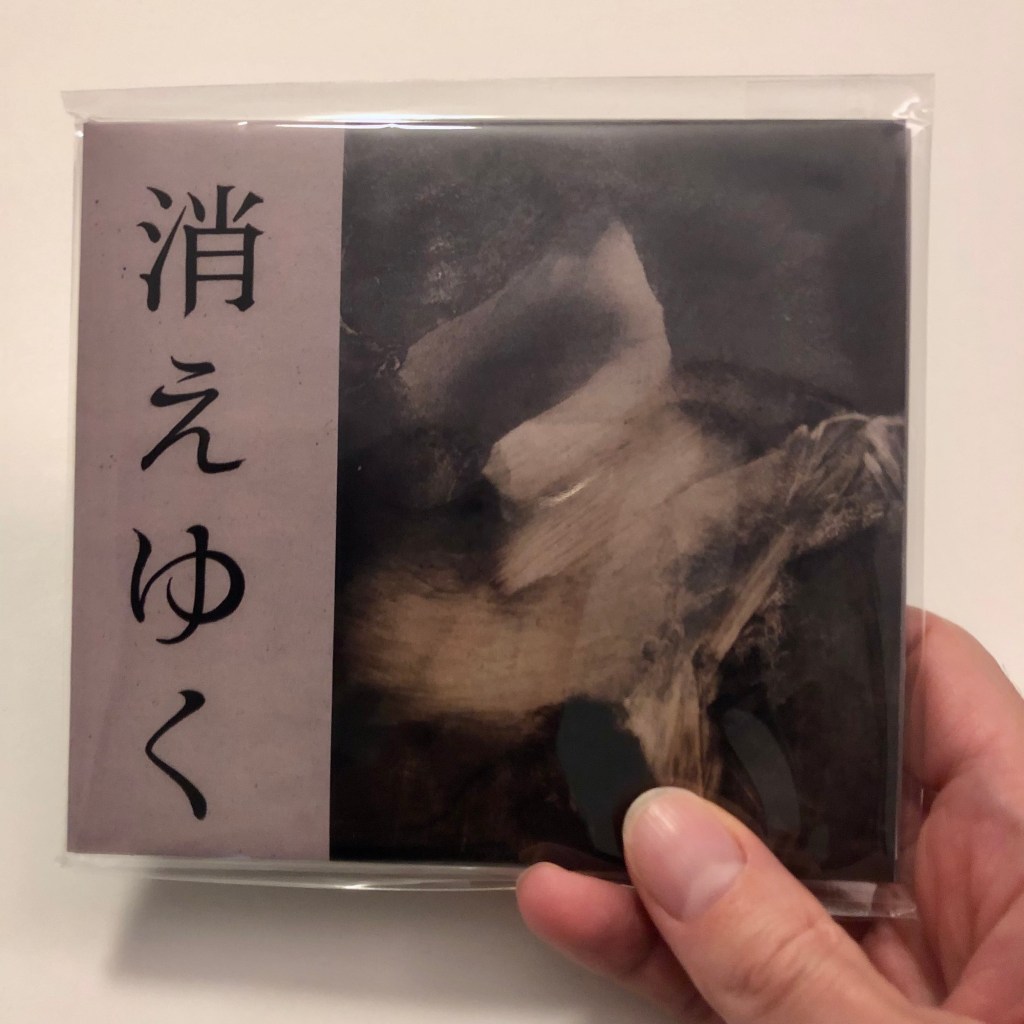
“Svanire” came about suddenly, shortly after finishing the recordings for what is the album that continues the path of Argine and While and which will likely see the light (probably under the title Bruma) during the cold winter of 2025. Svanire is like a bolt from the blue, born from an idea of collaboration between myself and Andrew Chalk, an English artist much appreciated in the ambient music scene, especially for those who, like me, love a certain kind of delicate and fragile sound. It is therefore a four-handed work where I contributed the piano recordings, and then Andrew took on the role of producer, bringing my notes into his studio and into his magical world. And magical was indeed the result, an album completed in less than a week. I find its strength in that minimalism I had been seeking for a long time, and which I perhaps had never dared to pursue. I could have added more instruments, the initial idea was exactly that, but after repeated listens, I decided not to ruin that initial spontaneity and to leave everything as it was, between notes and silence. Even now, it remains the only album of mine that I listen to with the same pleasure with which I listen to albums by others, and I thank Andrew for giving me the key to access a world I hope to revisit in the future. Svanire is also a story I had written at the beginning of the year, and it seemed to be waiting for this very album to come to light. When Daisuke Suzuki, a friend of Andrew Chalk, asked me for some more information to give me the most suitable Kanji for the title, I spontaneously described the story like this: “I think the best way to describe the word ‘Svanire’ is a hidden and innate feeling of not belonging to this world, which starts from the soul and then touches every part of the body, slowly disappearing like a foggy day.” To complete this work, I chose to use one of Andrew’s beautiful paintings as the artwork, which closes the circle of what represents a dream for me: having had the chance to work with an artist I have long admired.
Svanire nasce all’improvviso poco dopo aver concluso le registrazioni di quello che è l’album che prosegue il percorso di Argine e While e che vedrà la luce (molto probabilemente con il titolo Bruma) durante il freddo inverno del 2025. Svanire è un fulmine a ciel sereno che nasce da un’idea di collaborazione tra me e Andrew Chalk, artista inglese molto apprezzato nel panorama ambient per chi ama come me un certo tipo di sonorità delicate e fragili. Si tratta quindi di una lavoro a quattro mani dove io ho apportato le registrazioni di piano e poi Andrew ha agito da produttore, portando le mie note nel suo suo studio e nel suo mondo magico. E magico è stato appunto il risultato, un album finito in meno di una settimana. E trovo la sua forza in quel minimalismo che ricercavo da tempo e che forse non ho mai osato fare. Avrei potuto aggiungere altri strumenti, e l’idea iniziale era appunto quella, ma dopo ripetuti ascolti ho deciso di non rovinare quella spontaneità iniziale e di lasciare tutto così, tra note e silenzio. Tuttora rimane il mio unico album che ascolto con quel piacere che ascolto album di altri e ringrazio Andrew per avermi dato la chiave di accesso ad un mondo che spero di ripetere in futuro. Svanire è un racconto che avevo scritto a inizio anno e che sembrava aspettare proprio questo album per vedere la luce. Quando Daisuke Suzuki, amico di Andrew Chalk, mi chiese qualche informazione in più per potermi dare il Kanji più adatto al titolo mi venne spontaneo descrivere così il racconto: “penso che il modo migliore per descrivere la parola Svanire sia una sensazione nascosta e innata di non essere parte di questo mondo che inizia dall’anima e poi tocca ogni parte del corpo e lentamente scompare come una giornata nebbiosa”. A completare questo lavoro ho voluto utilizzare come artwork un bellissimo quadro di Andrew che chiude il cerchio di quello che per me rappresenta un sogno: aver potuto lavorare con un artista che ammiro da tempo.
Svanire, the Italian word for “vanishing,” is a 44-minute piano and electric piano suite, divided into four tracks that guide the listener through an intimate and reflective sonic journey. The work is minimal and skeletal in its essence, built around eloquent silences and fragile, almost suspended notes that evoke the melancholic hues of autumn. Each note seems to dissolve into the air, like leaves in the wind, creating an atmosphere of rarefied beauty. The strength of this piece lies precisely in its simplicity, which never feels trivial thanks to the meticulous production by Andrew Chalk. With his unique and hypnotic touch, Andrew has brought to life a sound that amplifies and enhances the delicate nature of the compositions, enriching them with emotional depth. Every sonic detail is carefully crafted, creating a balance between emptiness and fullness, between sound and silence, making the listening experience unique and immersive. Accompanying the music is a short story, a narrative that intertwines with the notes, creating a subtle dialogue between words and sound. The artwork, generously provided by Andrew Chalk, is not just a visual frame but a perfect representation of the atmosphere evoked by the album: an image that, like the music, seems to dissolve and vanish, capturing the fleeting nature of the moment. The choice of colors and visual forms engages with the sonic tones, further enriching the overall sensory experience. A special thanks goes to Daisuke Suzuki, who contributed the Kanji translation of the word Svanire, adding another layer of cultural and symbolic meaning to this work. The Kanji translation is not just a linguistic transposition but a bridge between cultures, reflecting the universality of the theme of vanishing and impermanence.
I have always loved this time of year when, towards the end of September, we bid farewell to the summer heat and gently step into that path of multicolored leaves and minor chords that lead us towards the cold of winter. Memories of the past resurface in my mind, when I still lived in the house in Pordenone. I see my mother, before she got sick, showing off the shawl she bought in her hometown, Edinburgh. I feel the first cold starting to penetrate the walls of the house and the basement set up as a sound studio that finally comes back to life with notes and resonances. I touch the tiles, finally cold, and smile because the first fog is near. In the air, I perceive something special, a sort of preparation that has always attracted me. Not surprisingly, my soul is magnetically drawn to this season. I am happy to soon present a work with these characteristics, with an autumnal and foggy mood. A delicate sound that leaves time to reflect and let oneself go between dream and melancholy. And as Radiohead would say, “how to disappear completely”.
Ho sempre amato molto questo periodo dell’anno quando, verso la fine di Settembre, si saluta definitivamente il caldo dell’estate entrando in punta di piedi in quel sentiero di foglie multicolore e accordi minori che ci portano verso il freddo dell’inverno. Riaffiorano nella mia mente ricordi del passato, quando ancora vivevo nella casa di Pordenone. Vedo mia madre, prima di ammalarsi, che sfoggiava il coprispalle comprato nella sua città natale, Edimburgo. Sento il primo freddo che inizia a penetrare le mura della casa e lo scantinato allestito a studio sonoro che finalmente ricomincia a vivere di note e risonanze. Tocco le piastrelle finalmente fredde e sorrido perché la prima nebbia è vicina. Nell’aria percepisco qualcosa di speciale, una sorta di preparazione che mi ha sempre attirato. Non a caso, la mia anima è magneticamente attratta da questa stagione. Sono felice di presentare a breve un lavoro con queste caratteristiche, dal mood autunnale e nebbioso. Un suono delicato che regala il tempo per riflettere e lasciarsi andare tra sogno e malinconia. E come direbbero i Radiohead “how to disappear completely”.
Not long ago, an old friend of mine, a computer professional with a hobby in metal electric guitar, shared his musical experiments made with AI. His rational and analytical mind led him to create 1,000 tracks in a month to fully understand the Suno platform, exploring various requests and musical genres. I was amazed to discover that today, with just a simple sketched arpeggio, a text, and a few instructions, you can now create a song that to many ears may sound real. So, what is the future of music? Considering that AI is growing like a child, in ten years, or perhaps even less, it will have much higher capabilities than we can imagine, and consequently, its ability to generate music will be of much higher quality as well. The thought that today I could ask AI to add trumpet or violin tracks to a new song makes me really uncomfortable, and imagining a future world where mainstream music features avatar artists makes me truly sad. What are we doing? Why are we rushing in this direction? In not too many years, chaos will be generated, and not only in the artistic realm. But I prefer to speak only of the fate of Music, reduced to a distant memory… when imperfection was still capable of generating that inner impulse and spark that could move the listener.
Poco tempo fa un amico di vecchia data, professionista del computer e con l’hobby della chitarra elettrica metal, mi ha girato i suoi esperimenti musicali fatti con l’IA. La sua mente razionale e analitica l’ha portato in un mese a creare 1000 brani per capire a fondo la piattaforma Suno, spaziando nelle richieste e nei generi musicali. Sono rimasto sbalordito nello scoprire che oggi con un semplice arpeggio abbozzato, un testo e qualche indicazione si possa ormai creare una canzone che all’orecchio di molti può risultare reale. E quindi qual è il futuro della musica? Considerando che l’IA sta crescendo come un bambino nell’arco di dieci anni e forse anche meno avrà capacità molto più elevate di quello che immaginiamo e quindi di conseguenza anche la sua qualità nel generare musica lo sarà. Pensare che oggi potrei chiedere all’IA di aggiungermi delle tracce di tromba o di violino a un nuovo brano mi mette davvero a disagio e immaginare un mondo futuro dove il mainstream proporrà artisti avatar mi rende davvero triste. Che cosa stiamo facendo? Per quale motivo stiamo correndo in questa direzione? Tra non molti anni si genererà il caos e non solo a livello artistico. Ma preferisco parlare solo della fine che farà la Musica ridotta a diventare un ricordo lontano… quando ancora l’imperfezione era capace di generare quell’impulso interiore e quella scintilla capace di emozionare l’ascoltatore.







 francis gri